
Observation and Visibility
The CastleThe novel's characters are caught in webs of watching, hiding, and being seen at the wrong time.
increasing Bearing strength in each event
 decreasing
Bearing strength in each eventdecreasingThe Peephole and the Sleeping Official
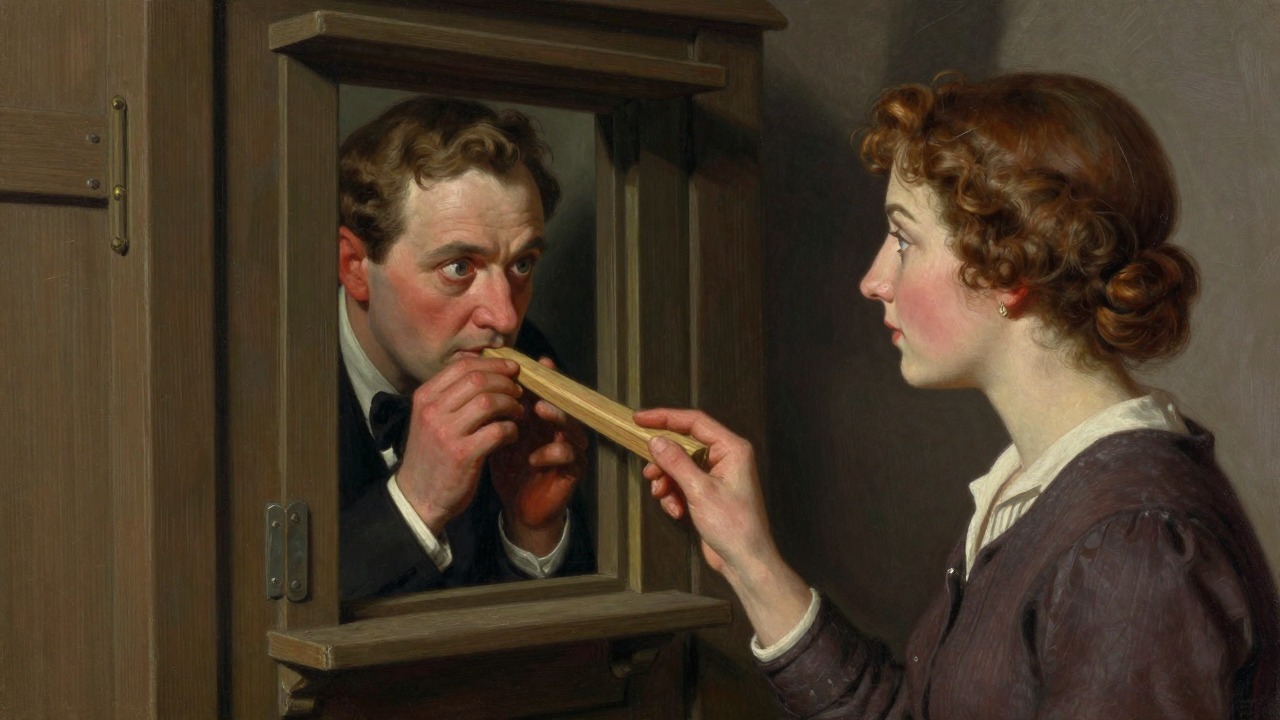
The Peephole and the Sleeping Official
K. looks at Klamm through a peephole while Frieda watches. The private sight is both a privilege and a trespass.
What happens
Frieda tells K. he may look as long as he likes, but she then closes the peephole with a piece of wood. Observation is controlled.
Why it matters
The scene establishes seeing as a form of power. K. wants to see, while officials hide or sleep.
The Villagers' Staring Eyes
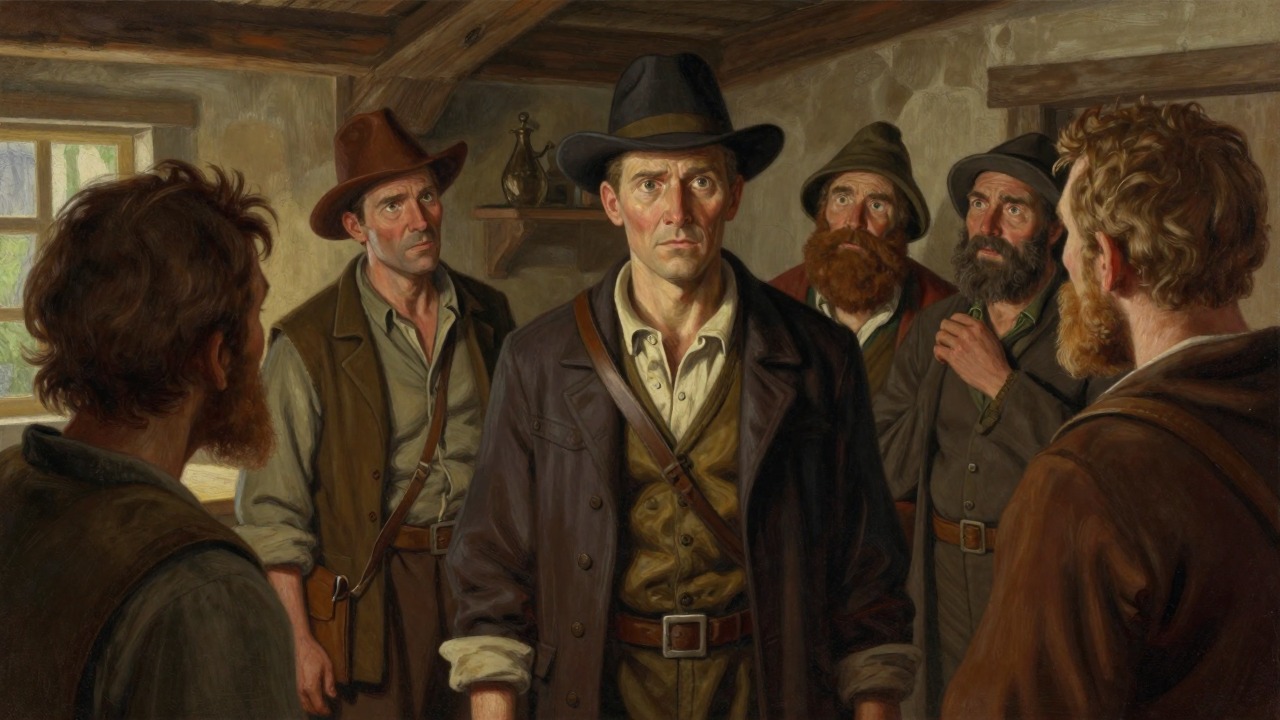
The Villagers' Staring Eyes
The rustics in the inn follow K. with their eyes. Their gaze is neither friendly nor hostile, only constant.
What happens
K. feels watched even when Barnabas is present. The villagers turn away when he threatens them but keep staring from a distance.
Why it matters
The stare is the village's method of classification. To be seen is to be measured and placed.
K. Watches the Morning Distribution
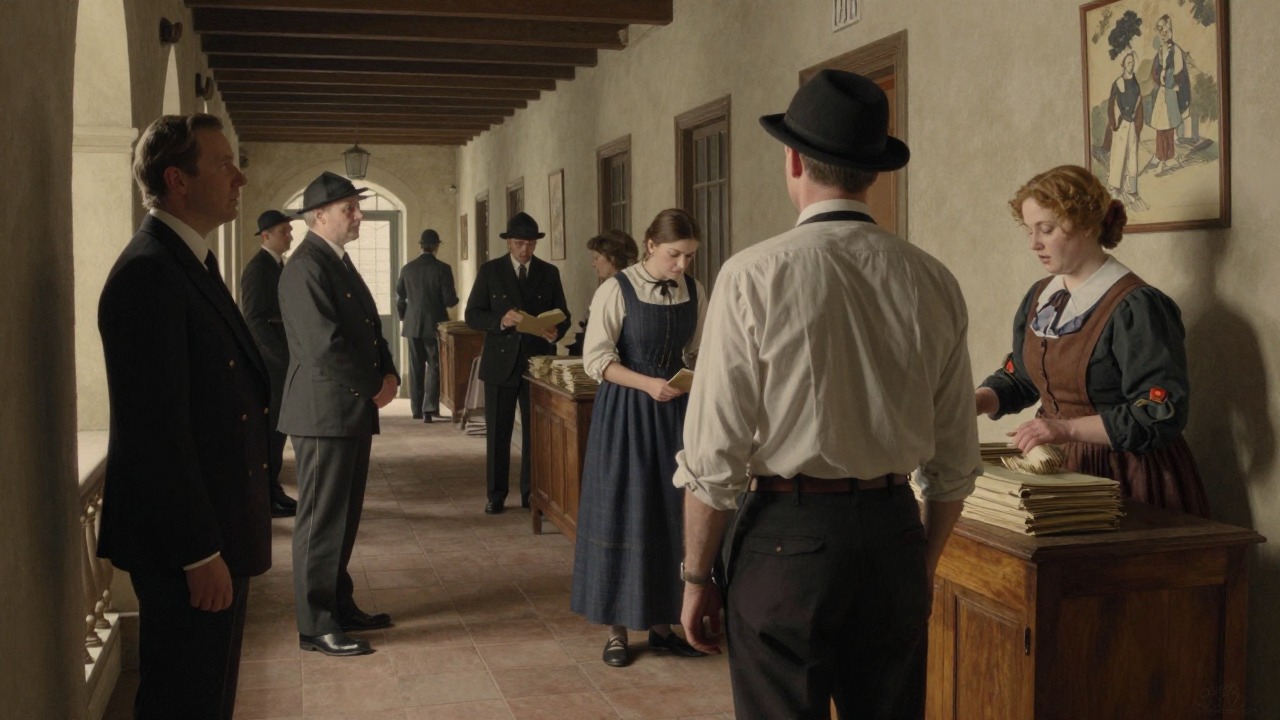
K. Watches the Morning Distribution
K. stands in the corridor and watches the file distribution. His presence becomes the scandal that the officials cannot bear.
What happens
The gentlemen refuse to expose themselves to a stranger in the morning. The landlady says they were too bashful to be seen.
Why it matters
The morning shyness rule makes visibility a deeper theme. The officials can exist only when no one sees them clearly.
The Assistants' Constant Gaze
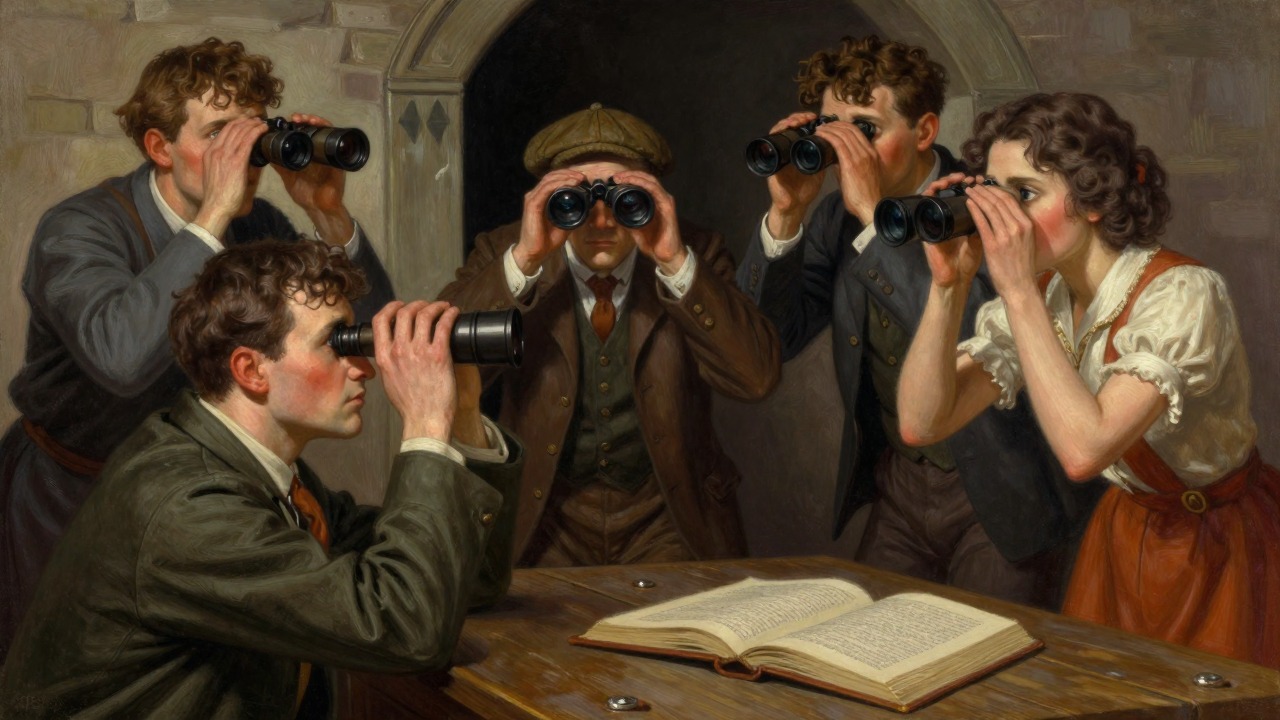
The Assistants' Constant Gaze
The assistants observe K. with telescopes made of their hands and stare at him from their corner. K. feels their eyes constantly.
What happens
They watch him even while pretending to play. Frieda says their eyes sometimes look like Klamm's.
Why it matters
The assistants are the castle's surveillance in miniature. Their gaze dissolves the boundary between private and official.
Gisa Finds the Household Asleep
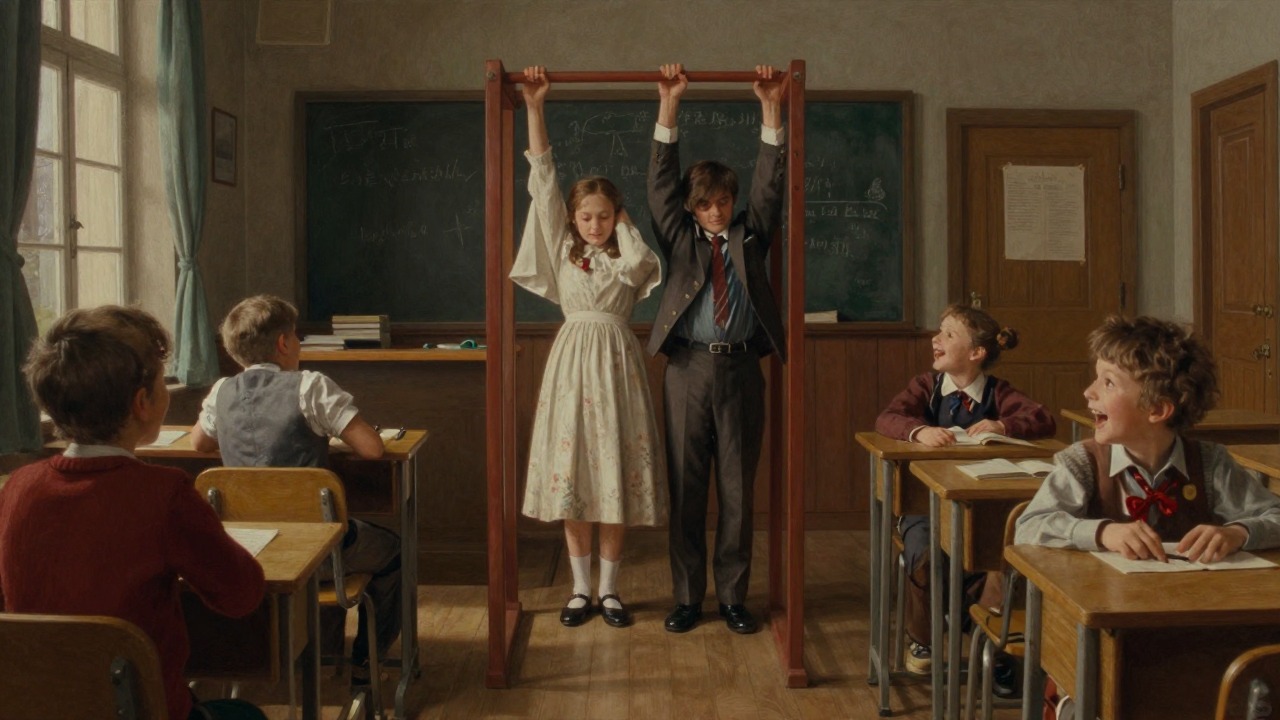
Gisa Finds the Household Asleep
Miss Gisa discovers K. and Frieda asleep in the classroom. She sees their private disorder in a public space.
What happens
K. and Frieda hide behind gymnastic apparatus to dress. The children laugh and stare.
Why it matters
The scene is a master image of failed concealment. Every private piece of K.'s life is exposed to official eyes.
the second evening at the Castle Inn
K.'s early evenings at the Bridge Inn
the early morning in the corridor
the days in K.'s room and school
the first school morning
